
When clients order design, one of the first questions on their mind is how much does it cost? Why does one designer offer a logo for $50 and another for $5,000? How can you tell whether you’re really paying for quality or just overpaying? The price of design isn’t just the number of hours spent on a project. It includes experience, level of responsibility, business impact and final value.
Today we’ll look at which factors shape the price of design, where you can save and where saving can backfire.
Let’s go!
The price of design can’t be the same for a small shop in a provincial town and an international corporation. The greater the impact of the design, the higher its price.
Example: Imagine posters for two events:
- A music festival for 10,000 people, with tickets at $300–1,000.
- A local party for 100 people, with $5 tickets.
Even if the poster designs look the same, the responsibility is different. Mistakes on a major festival’s poster can cost millions, while at a local level they’re less critical. The price of design has to account for these risks.
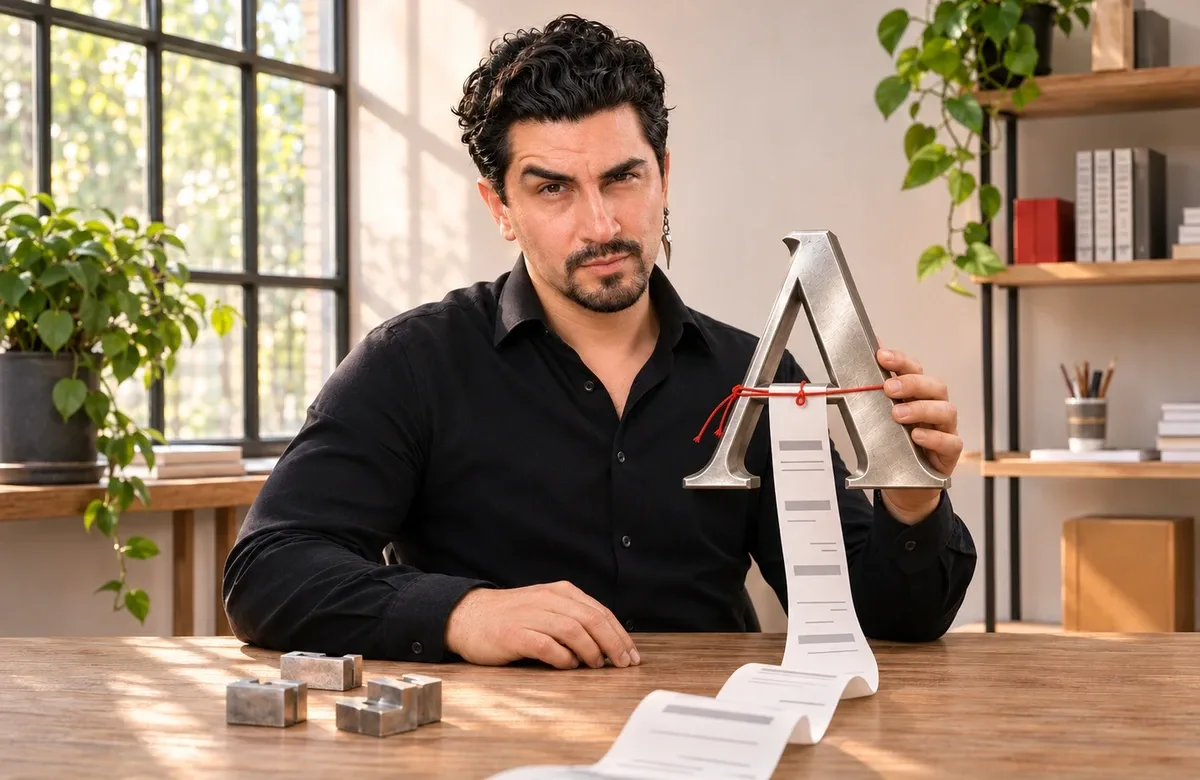
A beginner might spend 2 weeks on a logo, and a professional 1 day. But does that mean the professional’s work should cost less?
On the contrary. You’re not paying for hours of work but for the knowledge that lets a designer find the best solution faster. As the saying goes: “If I made a logo in 10 minutes, it means it took me 10 years to learn how to make it in 10 minutes.”
💡 Takeaway: Fast solutions from experienced specialists aren’t “rushing” — they’re a sign of a high level.
Quality design isn’t just a picture. It’s part of a larger visual system that has to work for the business.
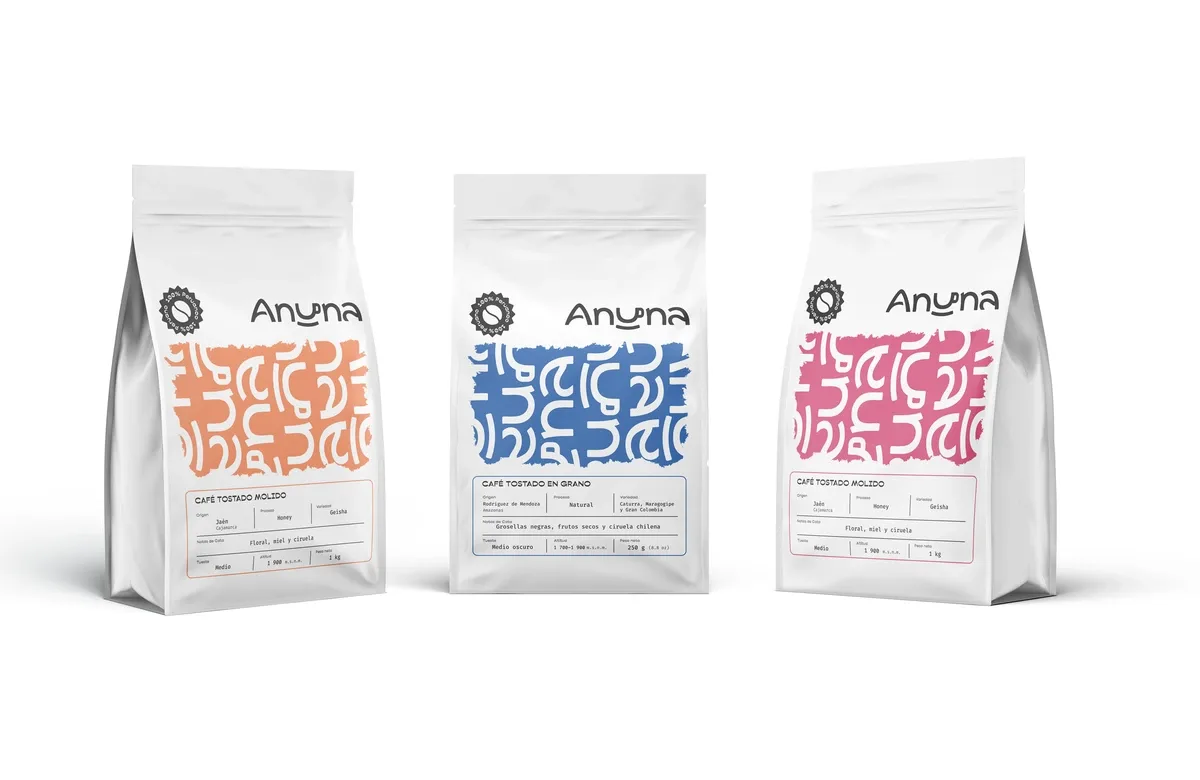
Example: The difference between a designer who simply draws a logo and one who develops a complete brand identity: ✔ An ordinary logo is a nice image without a deep strategy. ✔ An identity is a logo plus colors, typefaces, guidelines, usage options for different environments and brand elements.
💡 Takeaway: If your business needs strong branding, you can’t skimp on it.
Fear of getting “the wrong thing” is one of the most common reasons clients put off ordering.
✔ Template solutions for temporary projects — if you need a banner for a one-off promotion, you can use ready-made templates and not spend money on a unique design.
✔ A clear brief — a good brief saves time, and therefore budget. The clearer the task, the faster the result.
✔ Working with professionals — it seems counterintuitive, but an experienced designer will do the job faster and better than a cheap beginner who drags the project out.
❌ Brand identity and logo — these are the foundation of the brand. If you skimp, you’ll have to redo them.
❌ Website and UX design — poor navigation and an unprofessional look can lower conversion and scare customers away.
❌ Key marketing materials — packaging, advertising and presentations are the face of the company.
💡 Takeaway: Saving on key brand elements can cost more in the future.
Design isn’t an expense but an investment. It directly affects brand perception, customer trust and sales. What matters is understanding where you can optimize the budget and where you shouldn’t cut costs.
If you need high-quality, well-thought-out design that benefits your business, reach out at www.espinoza.ru!
Telegram
VK