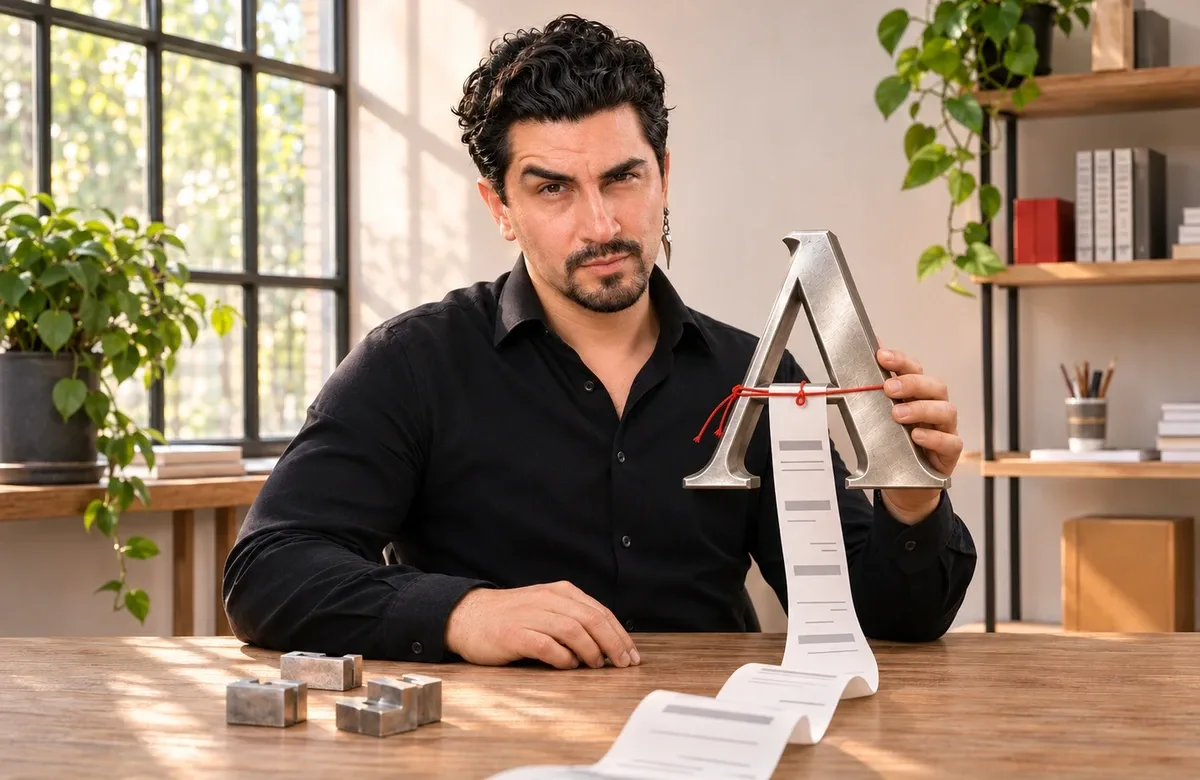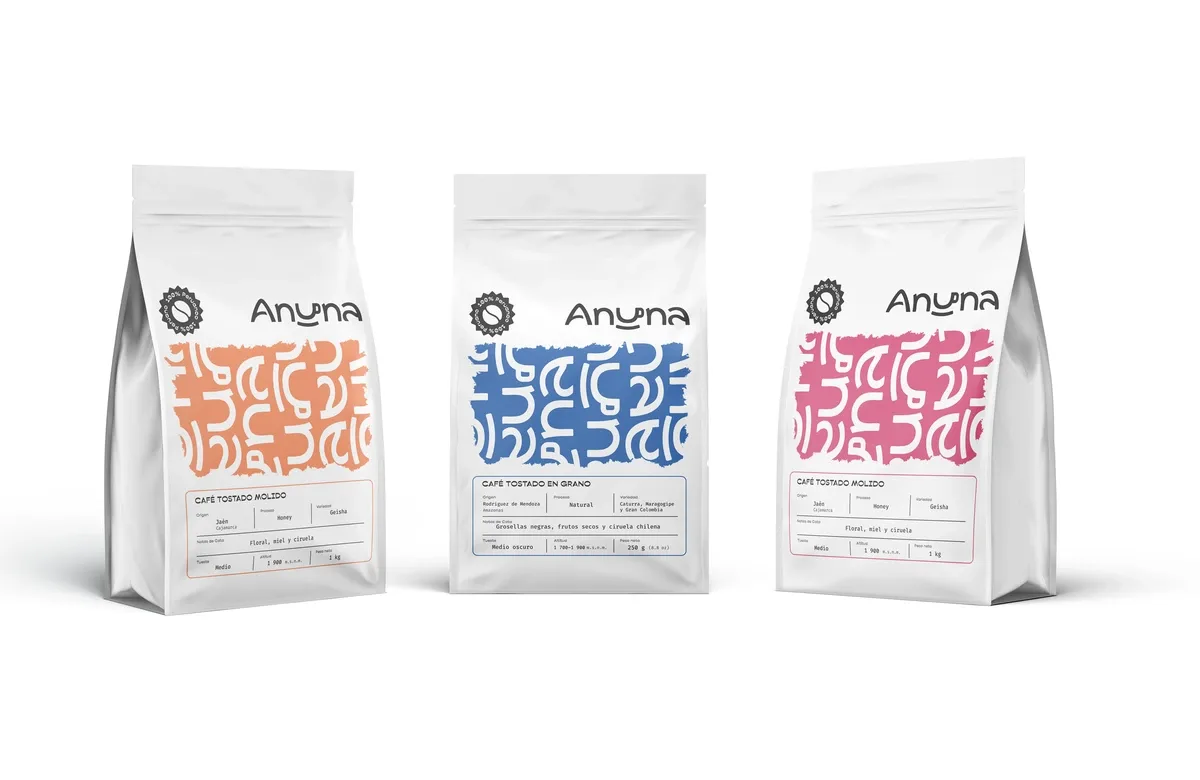

A cheap logo can work for an MVP. Its total cost shows up after rollout, adaptation and a possible replacement across all media.
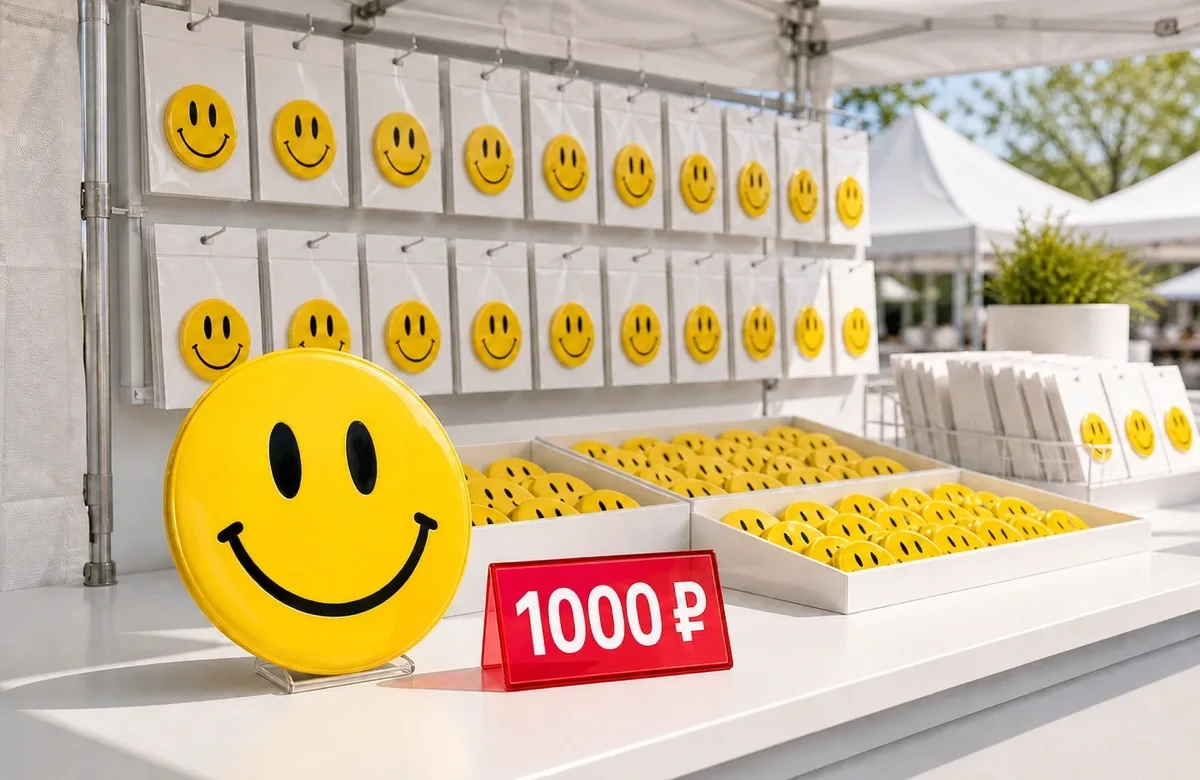
A minimal solution can be rational for a test.
A young company has expenses without which work physically can’t begin. A restaurant needs premises, equipment, tables, chairs and a cash register. The team is trying to test demand and reach its first stable profit.
For a pilot or MVP, a simple temporary mark is often enough. It should have clear limits: a short period of use, a small set of media and the ability to replace it without serious losses.
Pilot / MVP
A minimal mark for a few media with a predefined lifespan.
Operating business
A solid set of files and rules that accounts for the cost of rollout.
Costs grow after the file is handed over.
The logo appears on signage, packaging, the website, documents, staff uniforms, product cards, presentations and advertising. At every touchpoint the company invests money and working time.
If the mark reads poorly, doesn’t work in one color or lacks a proper vector source file, the company pays for adaptation, reprinting or full replacement.
Development
Research, criteria, concept and preparation.
Rollout
Production of physical and digital media.
Maintenance
Adaptations, templates and team work.
Replacement
Reprinting, installation and updating channels.
A responsible designer first clarifies the conditions the mark will work in.
Price doesn’t guarantee quality. A low price may come from entering the market, low overheads or a limited package. A high price also calls for checking the process.
A substantive brief records the task, audience, media, constraints and criteria. A thoughtful moodboard helps discuss the perceived price, character, legibility and application of the future solution.
Aesthetics are tested in real use. A striking mark can fail on a small label, while a calm typographic construction can hold up across dozens of media.
The logo has to work together with the brand identity.
Recognition is supported by color, typography, composition, photography, graphic elements and templates. At an early stage, a company may need only a name and a few usage rules. As the number of channels grows, a more cohesive system is required.
A packaged-goods brand, a chain of venues or a service with many digital screens usually needs more preparation than a local pilot.
The legal boundary
Under Article 1482 of the Russian Civil Code, a trademark in Russia can be verbal, figurative, three-dimensional or combined. A separate symbol isn’t a universal requirement. The form of protection should be chosen for the task together with a patent attorney.
Eight questions before buying a logo.
- Business stage — A test, first sales, stable operation or scaling?
- Lifespan — How many months or years should the solution last?
- Media — Where will the logo appear over the next year?
- Replacement cost — How much do reprinting, installation and updates cost?
- Package — Which files, versions, rights and rules will be included in the handover?
- Brief — Which tasks and constraints will be clarified before the sketches?
- Criteria — How will the client and designer choose the direction?
- Scale — Do you need a single mark or a brand identity for different channels?
Compare prices after defining the task.
For a test project, choose a minimal mark that works properly on the few media you need and is easy to replace. For an operating business, prepare a technical package. For scaling, design the logo, color, typography, composition, imagery and templates as one system.
Add up development, adaptation, rollout, maintenance and possible replacement. This formula shows where the company is consciously cutting scope and where it’s pushing costs into the future.
Practical step
Answer the eight questions before comparing portfolios and prices. This makes it easier to choose the level of work that matches the company’s current stage.