
AI has made polish the baseline: what sets a brand apart now
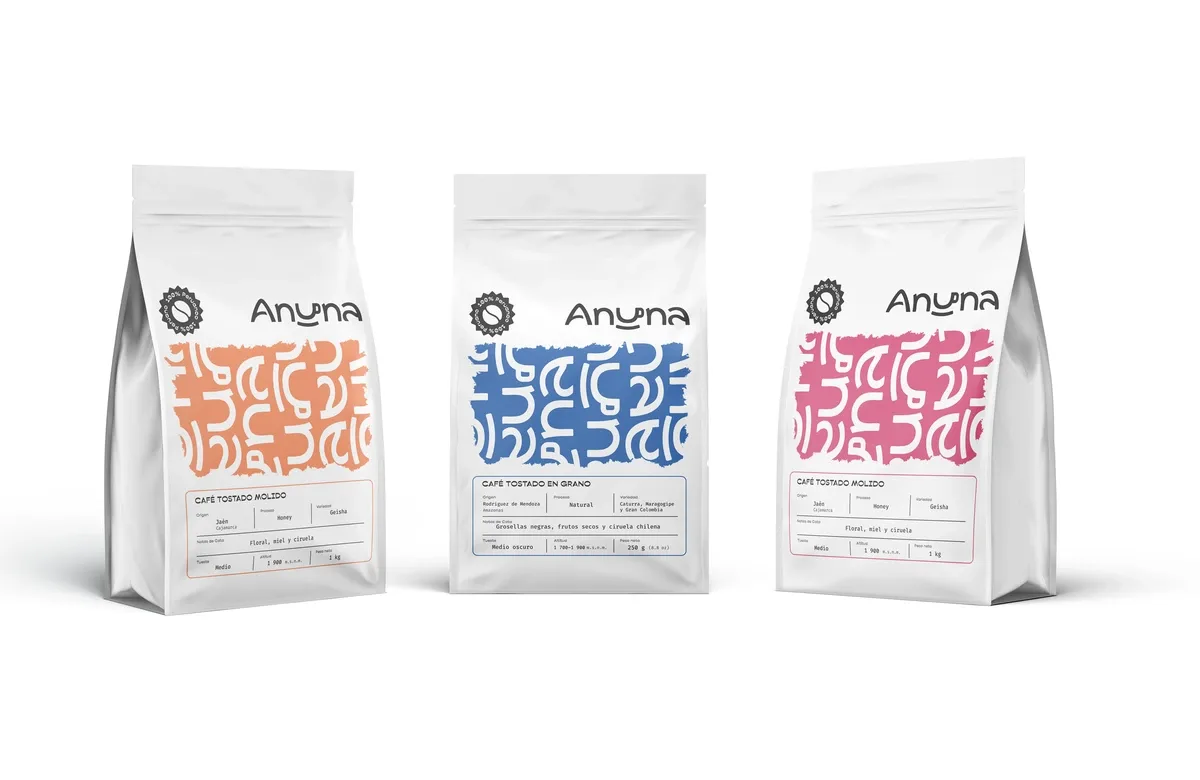
A logo in a minute, a palette in a few seconds, a website in an evening, dozens of options before lunch. For many companies this is already a normal workflow. Polished form has become cheaper and more accessible — which means it’s no longer a rare advantage.
That’s not bad news for branding. It’s a shift in where competition begins.
According to VTsIOM, in 2025, 51% of Russian internet users turned to neural networks during the year. The tools are becoming familiar, and customers increasingly see technically acceptable results. But an acceptable visual still doesn’t answer the question: why trust this particular company?
AI speeds up form, but it doesn’t choose the promise
Neural networks are useful when you need to explore directions quickly, put together a draft, test a presentation or take on mechanical work. They speed up the production of form.
But the tool doesn’t make the decisions for the business that it will later have to answer for:
– which promise the company can really keep; – which associations it needs to give up; – what distinguishes its approach from the category; – where it’s ready to tell the client “no”; – which experience should repeat across the website, product, sales and support.
These decisions form a criterion. It doesn’t come from the number of options. It comes from the product, audience, history, market and responsibility for the consequences.
Why beautiful no longer equals distinctive
As access to tools levels out, more and more companies look professional. But professional polish becomes the entry ticket, not proof of uniqueness.
Customers aren’t choosing between typefaces. They’re trying to understand: can this company be trusted? Does it understand my problem? Does its promise sound true? Will it be consistent after the first beautiful encounter?
These questions are answered not by a single image but by a system. Visual language, copy, the order of information, case studies, sales arguments and service should all confirm one position. If the position isn’t articulated, even a successful visual easily fits dozens of other companies.
Where human work remains
A person doesn’t have to produce every detail by hand to remain the author of the decision. Their work shifts elsewhere:
1. Define the direction and constraints. 2. Separate what fits from what’s merely trendy. 3. Connect the visual system with the product and communication. 4. Check that the solution works at real touchpoints. 5. Take responsibility for the consequences of the choice.
This is where professional judgment comes in. AI can suggest options, but it doesn’t know which of them will support trust in your product a year from now.
How to use AI without losing your identity
Don’t start your prompt with “make it beautiful.” First, set a short criterion:
– what the customer should feel or understand; – what the brand should never convey; – which product facts should be visible; – which solutions already belong to competitors and therefore don’t fit; – what signs will make the team reject an option.
After that, AI becomes an accelerator of exploration rather than a substitute for a position. Its options can be compared against the criterion instead of being picked on a first emotional reaction.
A question for the brief
A good brief has more than the question “what do we need to make?” It also asks “what don’t we want to be?” This helps reveal category clichés, accidental borrowings and solutions that look modern but don’t belong to the business.
The easier it is to create beautiful form, the more valuable a clear criterion becomes. You can’t download it like a template.
Source of data on neural network use: VTsIOM, “Neural networks: a tool, not magic”
Denis Espinoza — designer and brand consultant, Moscow. Head of studio.
Espinoza Design: branding, identity, UX/UI, presentations. Clients: VK, WebMoney, MY.GAMES, Baltika, Moscow State University.
🌐 espinoza.ru | 📩 Telegram | 📢 Channel | 🔗 MAX